Germany After Graduation: Exploring Study and Career Opportunities in Germany

On 21 October 2026, German European School Manila (GESM) organised Germany After Graduation, an information evening held at Makeshift Makati. The event brought together students, parents and individuals interested in exploring educational and professional opportunities in Germany, extending the discussion beyond the school community to a wider audience.
The evening aimed to provide a clearer understanding of the different pathways available to those considering studying, training or pursuing a career in Germany.
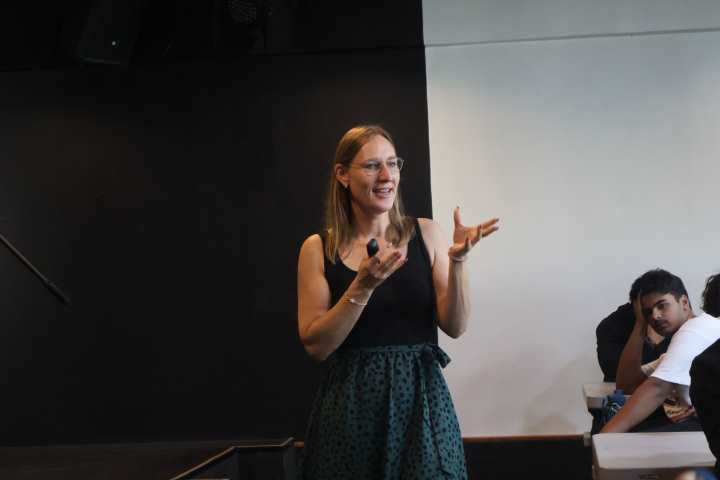
The event featured Dr. Berndt Tilp, lecturer from the German Academic Exchange Service (DAAD), alongside Kirsten Herr and Rene Evering from Mariposa ET. Drawing on their respective areas of expertise, the speakers introduced participants to Germany's higher education system, vocational training opportunities and the practical considerations involved in preparing for education or professional life abroad.
Dr. Tilp discussed opportunities for pursuing higher education in Germany, including the structure of university studies, academic requirements and important considerations for international applicants. His presentation helped attendees better understand what to expect when applying to German universities and how to begin planning their academic journey. Kirsten Herr and Rene Evering introduced alternative educational and professional pathways, including vocational training (Ausbildung), dual study programmes (Duales Studium) and internships (Praktikum). They explained how these programmes combine theoretical learning with practical experience and discussed the steps involved in finding suitable opportunities, preparing applications and meeting language requirements.
Throughout the evening, participants had the opportunity to ask questions and learn more about the different options available after secondary education. The discussions also addressed the importance of early preparation, particularly when considering language proficiency, admission requirements and the transition to living and studying in another country.
By holding the event outside the school campus, GESM was able to welcome a broader audience and provide a space for students, families and other interested individuals to engage directly with representatives experienced in German education and career pathways.
The event was made possible with the support of the German Embassy Manila, the German Philippine Chamber of Commerce and Industry (GPCCI), UP Deutscher Verein and Makeshift Makati.
Through initiatives such as Germany After Graduation, GESM continues to share information about educational opportunities in Germany and encourage greater awareness of the different academic and professional pathways available to students and prospective applicants in the Philippines.

Comments